






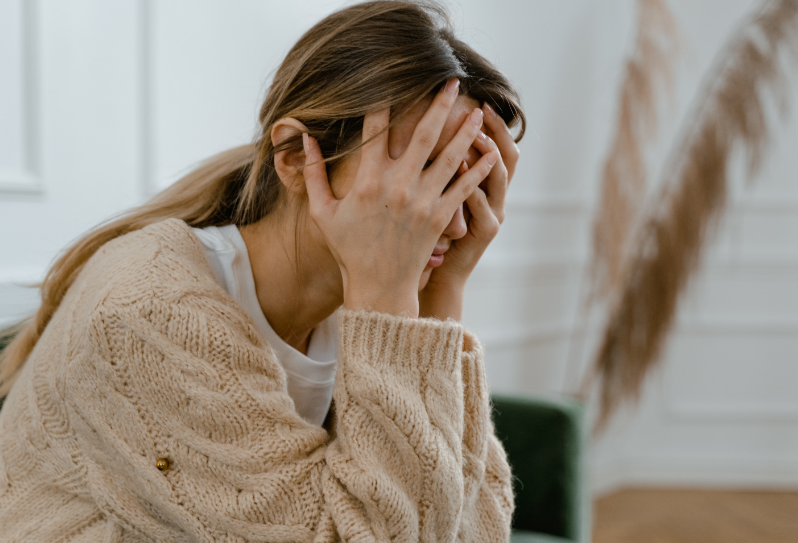
Avoiding something that makes you anxious might feel like the easiest way to protect your peace. You skip the meeting, cancel the plans, or stay away from uncomfortable conversations. The immediate relief can make you feel as though you made the right decision.
There is a catch, though. Skipping anxiety triggers again and again can make those situations feel even more frightening.
You feel better for a while. That relief teaches your brain that avoidance is the safe response. But your fear never gets a chance to shrink. The next time you face the same situation, your anxiety may feel stronger. Thus, the cycle becomes harder to break.
This pattern is commonly called the anxiety-avoidance cycle. The temporary relief strengthens avoidance and makes it more likely next time. Over time, everyday tasks start to feel heavier.
The good news is that this cycle can be interrupted. Small, steady steps help your brain learn new responses. In this article, we will discuss why avoidance can make anxiety harder to manage and what you can do instead.
Your Brain Starts Treating More Situations as Threats
Your brain constantly learns from your experiences. It uses these experiences to decide which situations are safe and which ones might require caution.
Avoidance can interfere with this learning process. A study published in ScienceDirect on approach-avoidance decisions found that people with anxiety processed threat information more quickly than matched controls.
For example, if you feel anxious about traveling alone, you might avoid buses and trains. Staying home or traveling with someone may feel safer, but you never learn that you can manage the journey alone.
You Never Get the Chance to Challenge Your Fears
Anxiety fades only when you stay in a situation long enough to learn that the outcome is tolerable. Avoidance blocks that learning. You never discover that the meeting goes well or that the party becomes enjoyable after the first ten minutes.
Gradually approaching uncomfortable situations gives you opportunities to collect new information.
Everyday Activities Start Feeling Exhausting
Avoidance doesn’t always mean completely staying away from something. Sometimes, it involves making constant adjustments to prevent uncomfortable feelings.
For example, you might:
- Avoid speaking during meetings.
- Repeatedly check routes before leaving home.
- Cancel plans if something unexpected changes.
These habits can become mentally exhausting. You might also experience frustration because activities that seem simple to others require considerable emotional effort.
What You Can Do to Manage Anxiety Triggers
Here are practical strategies that can help manage anxiety triggers:
Gradually Expose Yourself to Your Triggers
Avoiding anxiety triggers might provide temporary comfort, but gradually facing them can help you develop healthier responses. This approach is called gradual exposure.
A randomized trial published in PubMed found that exposure focused on changing expectations resulted in a significant reduction in self-reported anxiety. It also helped 43% of patients reach clinically significant improvement.
Tom Cruise once advised his Mission: Impossible co-star Hayley Atwell about dealing with social anxiety. Atwell recalled his words: “If you’re scared of something, keep looking at it. Try not to close your eyes or turn away, just keep looking at it.”
The advice highlights why gradually confronting your fears can be more helpful than avoiding them.
However, exposure should be approached carefully if your anxiety involves trauma or panic attacks. Consider working with a mental health professional who has completed a clinical master’s in counseling program. They can help develop an appropriate exposure plan based on your experiences and needs.
Even those who enroll in the online clinical master’s in counseling program develop strong skills in evidence-based care while enjoying greater flexibility. Online programs let working adults study on their own schedule without leaving their jobs.
Walsh University notes that professionals in this program learn to:
- Use counseling theories and proven techniques to support clients.
- Assess clients, identify mental health conditions, and create suitable treatment plans.
- Follow professional, legal, and ethical guidelines in clinical counseling.
Practice Diaphragmatic Breathing
Anxiety can cause physical symptoms such as a racing heartbeat, muscle tension, and rapid breathing. These sensations can sometimes make an already uncomfortable situation feel even more frightening.
Diaphragmatic breathing, also called belly breathing, is a simple technique that encourages slower, deeper breathing.
A 2024 study published in Springer examined the effects of controlled diaphragmatic breathing on 169 people living with chronic pain. Researchers found that participants reported significantly lower anxiety and pain levels after completing a single guided breathing session.
To practice diaphragmatic breathing:
- Sit comfortably and relax your shoulders.
- Place one hand on your chest and another on your belly.
- Breathe in slowly through your nose.
- Let your belly rise while keeping your chest still.
- Breathe out slowly without forcing it.
- Repeat for a few minutes at a comfortable pace.
Cut Back on Stimulants
Caffeine, nicotine, and certain medications raise heart rate and alertness. Those physical changes can mimic or amplify anxiety.
A meta-analysis in Frontiers in Psychology found that caffeine intake increased anxiety scores with a large effect (standardized mean difference = 0.94). Doses above 400 mg produced an even stronger effect (standardized mean difference = 2.86).
You don’t necessarily need to stop drinking coffee completely. Limit coffee or energy drinks to one or two cups before noon. Swap one afternoon coffee with decaf or herbal tea. You may notice better focus and fewer physical anxiety symptoms after a few weeks of reduced caffeine intake.
FAQs
Can anxiety go away on its own?
Anxiety can sometimes improve as stressful situations change or become easier to manage. However, persistent anxiety may require professional attention, especially if symptoms interfere with everyday activities. Seeking help early can prevent symptoms from becoming more difficult to manage.
Why do I feel anxious without an obvious trigger?
Anxiety can arise from accumulated stress, poor sleep, hormonal changes, or learned fear responses. Sometimes, your body reacts to perceived threats without an obvious external reason. Keeping track of your symptoms may help identify patterns and possible triggers.
Can anxiety affect your sleep?
Anxiety can make it harder to fall asleep, stay asleep, or relax at bedtime. Racing thoughts and physical restlessness may keep your mind active at night. Poor sleep can also increase anxious feelings, creating a cycle that affects daily functioning.
Key Statistics
| Research source | Key finding | What it tells us |
| ScienceDirect study on approach-avoidance decisions | Anxiety patients processed threat information more quickly than matched controls. | Anxiety can influence how quickly people respond to potential threats. |
| 2025 randomized trial published in PubMed | 43% of patients achieved clinically significant improvement with expectation-focused exposure. | Changing fearful expectations through exposure can improve outcomes. |
| 2024 study published in Springer | 169 participants with chronic pain experienced significant reductions in state anxiety and perceived pain after one guided diaphragmatic breathing session. | Controlled breathing may help reduce short-term anxiety and pain. |
| 2024 meta-analysis in Frontiers in Psychology | Caffeine intake was associated with increased anxiety scores (SMD = 0.94). Doses above 400 mg showed a stronger effect (SMD = 2.86). | Higher caffeine intake may worsen anxiety symptoms. |
Avoiding anxiety triggers might provide temporary comfort, but it can make your fears harder to manage over time. The more you escape uncomfortable situations, the fewer opportunities you have to build confidence and challenge anxious expectations.
Gradual exposure, steady breathing, and lower stimulant use give your brain fresh evidence that you can handle more than you think. Progress doesn’t always happen in a straight line, and difficult days don’t erase your previous efforts. So, be patient with yourself.