






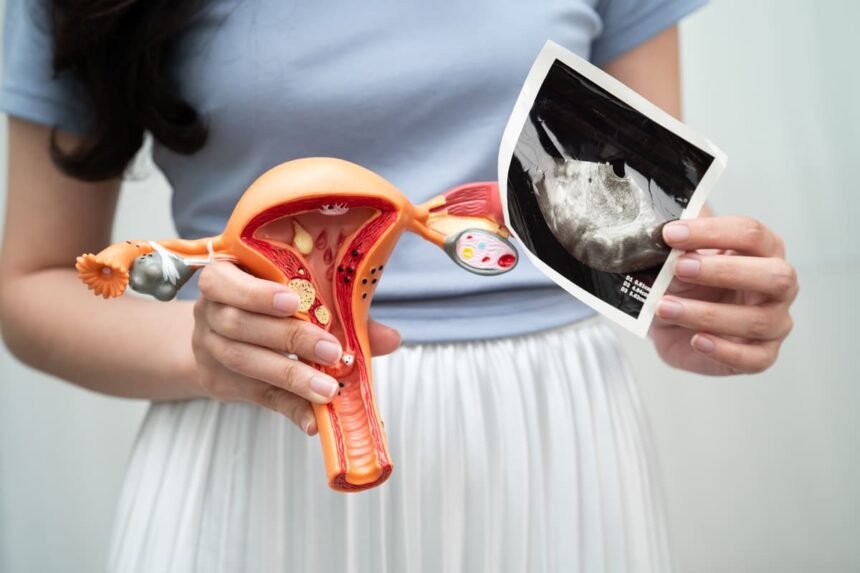
Uterine fibroids affect many individuals during their reproductive years. Treatment decisions often depend on symptoms, fertility goals, and overall health, which influence the selection of appropriate interventions. Treatment approaches may prioritize preserving healthy uterine tissue and reducing recovery time; they also aim to minimize the effects of fibroids on daily functioning. Patients benefit from comprehensive gynecologic care that includes imaging, medication, and minimally invasive surgical procedures. Here’s more information about fibroid treatment options:
Understanding Fibroid Growth
Fibroids are noncancerous growths that arise from the muscle layer of the uterus, and they vary widely in size and number. Some remain small and cause no symptoms, while others lead to heavy bleeding, pelvic pressure, or urinary frequency. Location matters because fibroids inside the uterine cavity often affect bleeding patterns and fertility. Fibroids on the outer wall may cause pressure symptoms. Diagnosis relies on a pelvic exam and imaging; ultrasound is a practical first step. When symptoms affect work, sleep, or reproductive plans, patients can discuss fibroid treatment in more detail with a gynecologist.
Using Medication Strategically
Certain medications play a role in symptom control and pre-surgical preparation for uterine fibroids. Options can include:
- Hormonal birth control
- Gonadotropin-releasing hormone (GnRH) agonists and antagonists
- Over-the-counter pain medications
- Iron supplements
Medication helps manage fibroid symptoms. Hormonal birth control can reduce heavy menstrual bleeding, and pain medications help relieve pelvic discomfort. To shrink fibroids before surgical removal, doctors sometimes prescribe GnRH. This strategy can make the growths easier to remove. Although medications do not eliminate uterine fibroids, they aim to control symptoms and improve quality of life.
Choosing Procedural Options
When symptoms persist despite medication, procedural fibroid treatment options may be discussed. The choice of procedure depends on the patient’s health status and future pregnancy plans. Laparoscopic myomectomy removes fibroids through small incisions while aiming to preserve the uterus and improve bleeding and pressure symptoms. Hysteroscopic myomectomy treats fibroids within the uterine cavity using instruments inserted through the cervix; this helps avoid abdominal incisions. Both procedures rely on detailed imaging and may involve shorter recovery periods than traditional open surgery.
Some patients undergo a partial or total hysterectomy, which removes part or all of the uterus. Hysterectomy eliminates menstrual bleeding and the possibility of uterine fibroid recurrence; this makes it an option for patients who do not plan to pursue future pregnancies. Because each treatment option involves specific risks and recovery expectations, a comprehensive consultation helps determine the most appropriate procedure based on the patient’s health status and treatment goals.
Learn More About Fibroid Treatment
Patients benefit from documenting symptoms, menstrual patterns, and treatment responses before each appointment, as these details help guide individualized treatment plans. A record of pain severity and medication use helps a gynecologist determine whether the current fibroid treatment supports the patient’s long-term health goals. Imaging results, fertility plans, and existing health conditions influence the selection of appropriate treatments, including medication and minimally invasive procedures. When patients provide this information, they can collaborate with their healthcare providers to select a treatment approach that addresses symptoms and long-term health priorities. Contact a women’s health provider today to learn more about fibroid treatment.