





A physical exam is a routine checkup with your primary care provider. They measure your blood pressure and heart rate, and they ask about your medical history and daily habits. Because the exam covers many body systems at once, it gives your provider a broad view of your health. Here is more information about the role of a thorough physical exam in early detection:
Establishes Health Baselines
A baseline is a record of your normal health measurements. At a physical exam, your provider records your blood pressure, weight, cholesterol, and blood sugar. These numbers describe your health at one point in time, and they become a reference for future visits. A single reading has limited value on its own. Small shifts often go unnoticed without a record, but a baseline makes them easier to track. If your blood pressure rises over several years, your provider will see the trend and compare it with your earlier results. They also note your family history because some conditions run in families. This combined record helps your provider understand what is normal for you rather than for the average person.
Guides Preventive Care
A physical exam also shapes your preventive care plan. After your provider reviews your results, they recommend screenings and vaccines based on your age, sex, and risk factors. Common preventive steps include:
- Blood pressure and cholesterol checks
- Blood sugar tests to screen for diabetes
- Cancer screenings, such as mammograms, Pap tests, and colonoscopies
- Vaccines, including flu, tetanus, and shingles shots
- Guidance on nutrition, exercise, tobacco use, and alcohol use
Some tests are completed every year, and others are recommended every few years. If your results show a higher risk for a condition, your provider may suggest more frequent testing. They also give practical advice on diet, physical activity, and sleep.
Catches Silent Diseases
Many serious conditions cause no symptoms in their early stages. High blood pressure often goes undetected because it rarely causes pain or discomfort. Type 2 diabetes develops slowly, and many people do not notice the early signs. When a provider finds these conditions early, treatment is often simpler, and the risk of complications drops. Early treatment can involve lifestyle changes or a single medication.
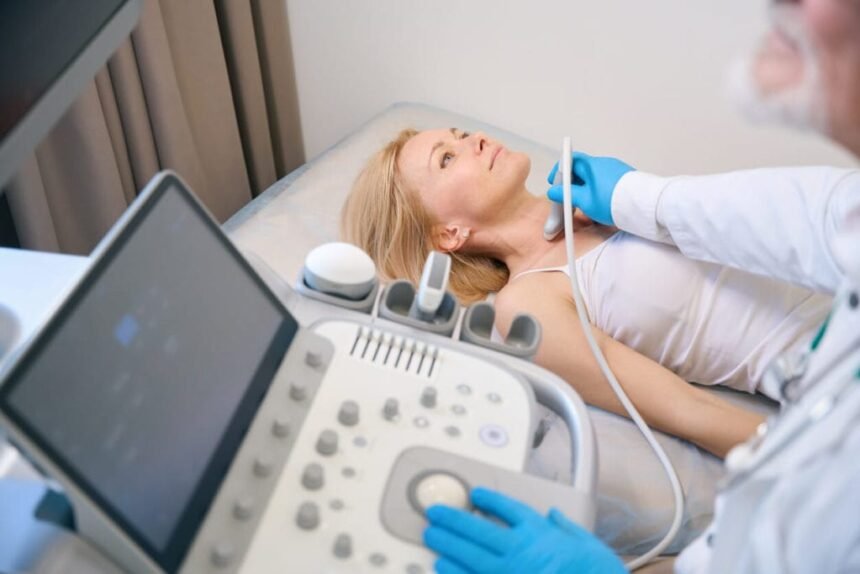
During the hands-on exam, your provider listens to your heart and lungs, checks your skin, and feels your abdomen. An irregular heartbeat might show up during this check, and your provider will order follow-up tests if needed. They also examine your thyroid and look for lumps or swelling in your neck. Blood and urine tests also provide information. These tests can reveal kidney problems or anemia before you notice any effects. Your provider reviews each result with you, and you should ask about anything that is unclear.
Schedule a Physical Exam
A thorough physical exam helps your primary care provider identify potential health concerns before they cause noticeable symptoms. By establishing health baselines, reviewing risk factors, and performing routine screenings, they can detect changes that require further evaluation. Regular exams also help you stay current with preventive care and understand how your health changes over time. Schedule a routine physical exam today.