






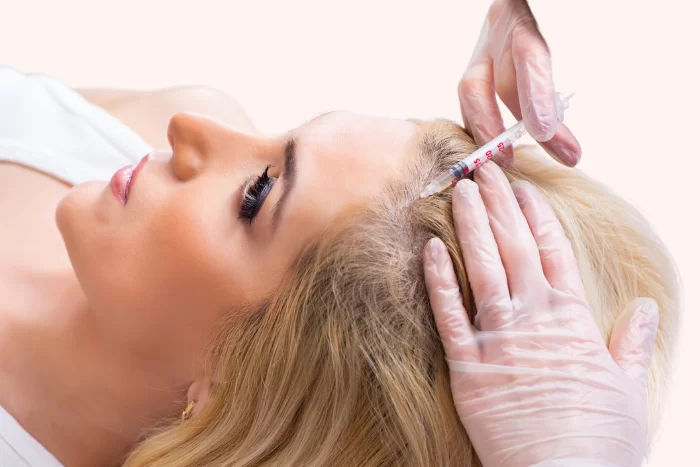
Hair loss affects appearance, but it also reflects what is happening within the scalp and follicles. Hair rejuvenation focuses on supporting these follicles so they can produce thicker and denser strands over time. Here is more information on emerging trends in hair rejuvenation:
What Causes Hair Loss?
Effective hair rejuvenation planning starts with a clear understanding of why hair is thinning in the first place. Hormones influence follicle activity, and genetics influence how follicles respond across the scalp. Lifestyle factors also play a role, and they interact with medical conditions that affect circulation or inflammation. A structured assessment helps separate temporary shedding from patterns linked with long-term hair loss.
A scalp examination can reveal density, distribution, and any redness or flaking that points to inflammation. Blood work sometimes helps identify thyroid changes, nutritional gaps, or other systemic triggers. Pull tests and magnified imaging provide more detail, and they highlight whether follicles are cycling normally or shortening growth phases.
How Does Scalp Microneedling Work?
Scalp microneedling uses fine needles to create controlled micro-injuries across targeted areas. The skin responds with a wound-healing cascade, releasing growth factors that influence nearby follicles. These channels may also increase absorption of topical products, and they change how active ingredients reach the follicle environment. In hair rejuvenation plans, microneedling often serves as a platform that amplifies other therapies. Session depth and spacing depend on skin thickness, and they vary based on tolerance. Some protocols pair microneedling with topical medications, and others use exosomes or growth factor serums.


Why Are Researchers Studying Exosomes?
Exosomes are tiny vesicles released by cells that carry proteins, lipids, and genetic signals. Researchers study them because they act as messengers that influence how neighboring cells behave and communicate. In hair research, exosomes from specific cell types have drawn interest and appear to affect follicle stem cells in early studies.
Scientists evaluate whether exosomes help shift follicles from resting to growth phases. They also examine inflammation pathways, and they track whether messenger cargo changes cytokine balance around follicles. Delivery method matters, and teams explore topical, injectable, and device-assisted approaches for scalp use. Each approach raises questions about distribution, dose, and how long signals remain active.
Which Questions Are Unanswered?
Future research on hair rejuvenation needs to answer practical questions for people in everyday settings. Researchers also need to compare newer methods with existing options and track durability over several growth cycles. Here are some key areas:
- Safety profiles over time: Studies need to report short-term reactions and long-term scalp health, with careful documentation.
- Real-world treatment schedules: Protocols must reflect realistic visit frequency, product use, and adherence patterns outside research centers.
- Combination therapy data: People often use multiple approaches, so trials that test combinations may provide more relevant guidance.
- Response differences: Age, hormone status, and pattern type often influence outcomes, so subgroup data can refine recommendations.
Schedule Your Hair Rejuvenation Appointment
The future of rejuvenation will depend on how well emerging treatments address different causes of hair loss. Researchers are exploring approaches such as exosome-based therapies, but questions about safety and long-term effectiveness remain. If you are experiencing hair thinning or shedding, contact a qualified dermatologist near you to schedule your hair rejuvenation appointment today.