






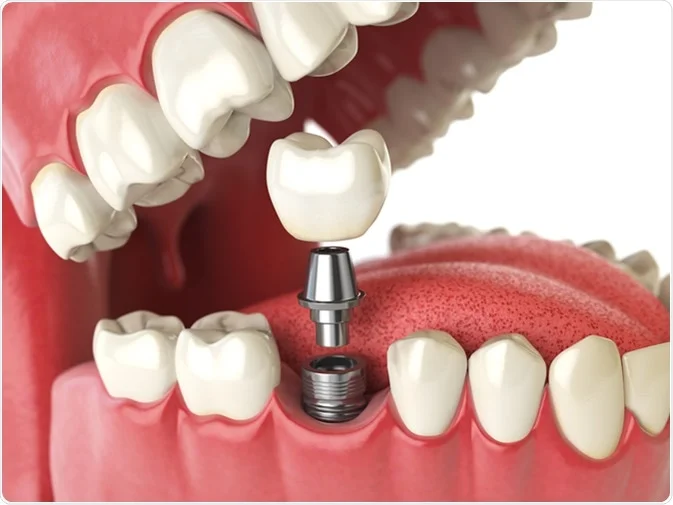
Dental implants replace missing teeth with a post anchored in the jaw that supports a custom crown, and the visible restoration is shaped to resemble a natural tooth. These treatments rely on precise planning, modern materials, and detailed lab work. Innovative techniques focus on accuracy during placement for long-term stability. Here are some innovative techniques in dental implants:
Titanium Abutment Placement
The titanium abutment connects the implant post to the final crown, and it needs an accurate fit. When the abutment aligns well with the surrounding gum tissue, the restoration supports daily function. Imaging helps guide the abutment’s angle and depth, and the dentist adjusts it chairside. As the soft tissue heals around the abutment, the area forms a stable frame for the future crown.
Custom Fabrication
Custom fabrication shapes the crown or bridge that attaches to the implant, following a detailed design plan. The process often starts with impressions, which record the bite and gum contours. These scans create a clear map for the lab. When the design reflects the patient’s natural bite, dental implants work with existing teeth instead of against them.
Technicians use a design to model the crown in three dimensions, and they adjust the shape in small increments. This modeling stage supports balanced chewing forces, which protects both the implant and nearby enamel. A careful design phase also limits the number of adjustments needed during the final visit.


Once the design is complete, the crown moves into the manufacturing stage, and materials are selected based on strength and appearance. Some restorations use ceramic for a lifelike look, while others use layered materials for added durability. The crown goes through staining and glazing steps that match the planned shade.
Color Matching Process
The color matching process shapes how naturally the final crown blends with nearby teeth, and it relies on close observation. A provider studies shade, translucency, and surface texture, and they compare these features to the planned restoration. When the color match is precise, the implant crown sits in line with the smile rather than drawing attention. This involves these steps:
- Shade guides help match the base color of the crown to surrounding teeth.
- Digital photos capture how light reflects off the enamel from different angles.
- Lab technicians use layered porcelains to mimic natural translucency.
- Surface staining techniques refine small details along the edges and ridges.
Natural Fusion
Natural fusion refers to how the implant post bonds with the surrounding jawbone over time, supporting stability. Bone tissue grows around the surface of the implant, and it locks the post in place. This fusion helps the implant act more like a natural root, and it supports chewing and speaking. Careful placement techniques and healthy bone levels contribute to a secure result.
During this fusion phase, regular checkups help track healing, and they allow the provider to adjust the timeline for the final crown. When the fusion is successful, the implant post forms a reliable base for future restorations. This structural support underpins both comfort and function.
Get Dental Implants Near You
Digital tools, custom lab work, and careful color matching all shape the final outcome. A local provider reviews your oral health, and they explain how these methods apply to your case. As you compare options, you may find it helpful to read about services on practice sites. When you meet with a dentist who focuses on precision, you gain a clearer picture of how implant treatment fits your long-term oral health goals.