





A coworker mentioned a few months ago that she’d started going to a clinic in Holland Village for something called Thermage, and when I asked what convinced her, she said it wasn’t the marketing — it was that her skin actually looked like hers, just tighter, not like she’d had “work done.” That distinction matters a lot to people considering this kind of treatment for the first time, and it’s probably the single biggest reason Thermage has stuck around as a trusted option for years rather than fading out like a lot of aesthetic trends do.
A Quick Word on What Thermage Is
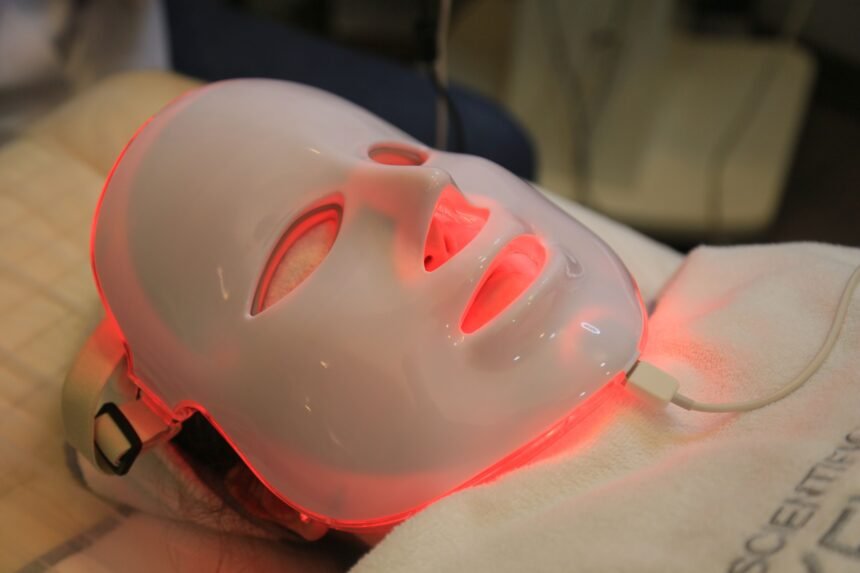
Before getting into the clinic experience, it helps to understand what’s actually happening under the skin. Thermage uses radiofrequency energy to heat the deeper layers of skin while the surface stays protected, which prompts the body to produce more collagen on its own. It was the first device to pioneer this kind of non-invasive radiofrequency treatment for wrinkles about twenty years ago, and the version used today, Thermage FLX, has gone through several generations of improvement, with better results and a more comfortable experience for the person lying on the table.
What makes it different from a lot of other tightening treatments is the lack of any real recovery period. It’s a safe, non-surgical option that’s clinically shown to smooth, tighten, and contour skin, and it’s suitable for essentially any skin tone, on both the face and body, usually in one visit.
Why Kelly Oriental Keeps Coming Up
Singapore has no shortage of aesthetic clinics, so it says something that Kelly Oriental keeps getting mentioned specifically in connection with this treatment. Based in Holland Village, the clinic has built its reputation over decades by combining a more traditional, holistic approach to skincare with modern technology rather than treating them as separate categories.


What seems to set the clinic apart isn’t just that they offer thermage treatment, but how they frame it within a broader approach to skin health — pairing the procedure with ongoing skincare guidance instead of treating it as a one-and-done fix. For someone weighing whether to book a session, that distinction tends to matter more than the technology itself, since the equipment is largely standardized across clinics but the philosophy behind using it isn’t.
Walking Into the Appointment
If you’ve never had any kind of aesthetic procedure before, the practical side of Thermage is reassuring. A session typically takes somewhere between thirty minutes and two hours, depending on how much area is being treated, and there’s no needle, no incision, nothing that requires planning your week around recovery. Most people describe the sensation as a series of warm pulses rather than anything sharp or painful, largely because the device is built to protect the skin’s surface while it works underneath it.
You can usually notice smoother skin right after the session, and the improvement keeps building for up to six months as the new collagen forms and matures. There’s also no sun sensitivity afterward the way there often is with laser-based treatments, so it’s not a procedure that forces you to rearrange your summer plans around staying indoors.
Who This Is Actually Good For
It’s worth being upfront about what Thermage isn’t. It’s not designed to fix significant sagging or deep wrinkles — it’s better suited to mild or moderate skin laxity, particularly around the eye area and lower face, where skin has started to feel a little less snug but hasn’t fully given in to gravity yet. If someone’s expecting a facelift-level transformation from a single non-invasive session, they’re likely to be disappointed regardless of which clinic they go to.
Where it genuinely shines is for people in their late thirties through fifties who are starting to notice early signs of laxity and want something to slow that progression down without surgery. It also tends to suit people who’ve already tried topical skincare and feel like they’ve plateaued — Thermage works at a depth creams simply can’t reach.
Booking the Right Fit
A lot of how Thermage turns out comes down to who’s operating the device, not just the device itself. Settings need to be adjusted for individual skin type and the specific area being treated, so a consultation beforehand matters more than people expect going in. At a clinic like Kelly Oriental, that consultation tends to double as an honest conversation about whether thermage treatment is actually the right call for your skin, rather than a sales pitch toward booking the most expensive package available.
For anyone on the fence, that’s really the deciding factor worth looking for in a clinic — not just whether they offer the procedure, but whether they’re willing to tell you if you don’t need it yet.