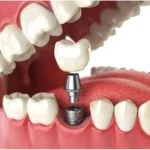







An oral surgeon focuses on conditions involving the teeth, jaws, and facial structures, and they use diagnostic tools and surgical techniques to address underlying problems. Specialized surgical care supports long-term oral health when routine dentistry is not enough. Patients see this specialist for extractions, implants, regenerative procedures, or a detailed evaluation of complex concerns. This is how an oral surgeon can improve your dental health:
Performing Extractions
Teeth sometimes require removal when decay, infection, or damage becomes severe. An oral surgeon evaluates the tooth and surrounding bone, and they use imaging to plan the extraction. The specialist removes the tooth while protecting nearby structures, and they manage the socket to support healing. When a tooth is impacted or broken below the gumline, the surgeon may section it into smaller pieces, and this approach limits stress on the jaw.
Providing Dental Implants
Dental implants replace missing tooth roots, and they support crowns, bridges, or dentures. After reviewing medical history and imaging, an oral surgeon places the implant into the jawbone under controlled conditions. The implant integrates with the bone over time, and it creates a stable base for a custom restoration. This treatment supports chewing function and helps maintain jaw structure after tooth loss. These factors may apply:
- Single-tooth implants fill individual gaps in the arch.
- Implant-supported bridges replace several missing teeth in a row.
- Implant-retained dentures improve stability compared with traditional dentures.
- Adjunct procedures, such as bone grafting, increase support in areas with low bone volume.
Offering Regenerative Reconstruction
Regenerative techniques support healing after surgery to restore oral structures. Platelet-rich plasma (PRP) uses a processed sample of the patient’s blood, which contains platelets and growth factors. The surgeon places PRP into a surgical site or grafted area, and the material interacts with surrounding tissues. This approach supports the body’s natural repair response, and it promotes organized clot formation.
While platelet-rich fibrin (PRF) follows a similar concept, it produces a fibrin matrix instead of a liquid. The oral surgeon prepares PRF from the patient’s blood and shapes the material into membranes or plugs. These structures release growth factors gradually, and they provide a scaffold for cells involved in healing. PRF supports procedures such as bone grafting or socket preservation, and it helps maintain the contour of soft tissue.
Some practices highlight these regenerative options as part of their surgical philosophy. When PRP and PRF are integrated into treatment plans, they reduce the need for additional materials, and they rely on the patient’s own biology. This approach aligns surgical reconstruction with predictable healing patterns, and it supports long-term function.
Informing Patients
Clear information helps patients prepare for oral surgery and follow through with home care. An oral surgeon reviews diagnosis, treatment options, and potential risks in straightforward terms, and they answer questions about each step. When patients understand why a procedure is recommended, they typically follow pre-operative and post-operative instructions more closely.
Education also extends beyond the procedure itself, and it addresses daily habits that influence healing. The surgeon explains how nutrition, oral hygiene, and tobacco use affect the surgical site, and they outline realistic timelines for recovery. With this guidance, patients know what to expect, and they recognize when a follow-up visit is necessary.
Schedule an Oral Surgeon Consultation
A consultation with an oral surgeon allows a focused review of complex dental or jaw concerns. During this visit, the specialist evaluates current symptoms, studies imaging, and outlines treatment paths that match clinical findings. Early attention to these issues supports long-term oral health and helps protect surrounding teeth and bone.