






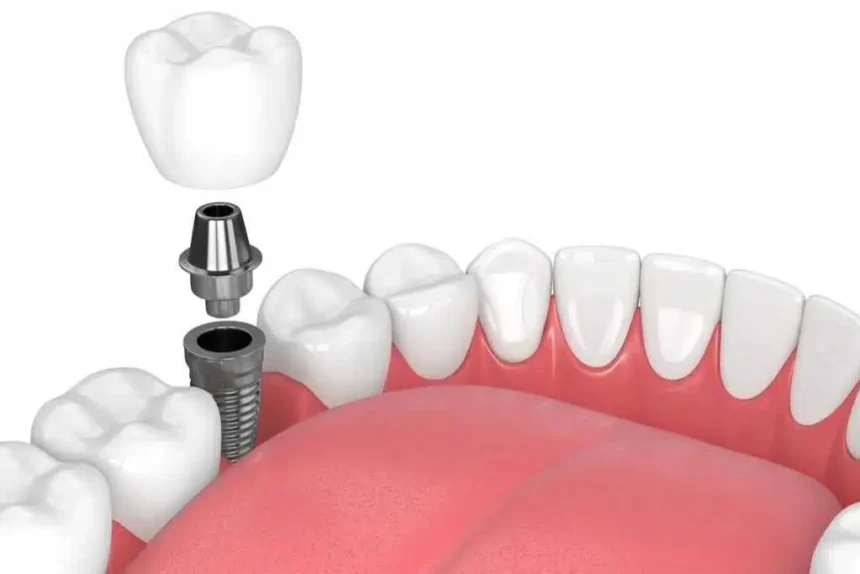
When you lose a tooth, a cosmetic dentist may talk with you about several replacement options. Cosmetic dentist care focuses on the look and function of your teeth and gums. This field includes whitening, veneers, and crowns, and it also includes dental implants. Here are some of the basics of dental implants:
Replacing Missing Teeth
A dental implant replaces the root of a missing tooth. The implant is a small titanium post, and a dentist places it in your jawbone. After the bone heals around the post, the cosmetic dentist attaches a crown on top. The crown is the part that people see when you smile. Implants may replace teeth in several ways:
- One implant with one crown for a single missing tooth
- Two or more implants supporting a bridge for several teeth in a row
- Four to six implants holding a full arch of teeth
Your dentist will review your mouth, and together you will choose an option. The right choice depends on how many teeth are missing and where they sit. For many patients, insurance coverage also plays a role.
Restoring Bite
When a tooth goes missing, nearby teeth may shift into the open space. This shift alters your bite, and chewing may start to feel uneven. An implant fills the gap. It helps hold nearby teeth in their current positions.

A crown on an implant works much like a natural tooth. Since the post sits in bone, it withstands chewing forces in a similar way. Your dentist shapes the crown to match your bite, and they check the fit at follow-up visits.
Providing Strength
Titanium is strong and lightweight, and the body tends to accept it well. Over several months, bone grows around the implant post. Dentists call this process osseointegration, which means the bone and post bond together. The bond typically takes several months.
Once the bond forms, the implant acts as a stable anchor for the crown. Implant crowns typically withstand firm foods such as apples and raw carrots. Crowns may still chip over time, so avoid chewing ice or hard candy.
Daily care plays a large role in implant strength. Brush twice a day, and floss around the implant once a day. If plaque builds up, the gums around the implant may become inflamed. Regular checkups let your dentist spot these problems early.
Requiring Adequate Bone Support
Since an implant sits in the jaw, it needs enough healthy bone to hold it. Bone often shrinks after tooth loss, and the loss continues over time. Your dentist will measure your bone with X-rays or a 3D scan. The scan shows the height and width of the bone. Some patients need a bone graft first. A graft adds bone material to the jaw so that it may support an implant later. Factors that may affect bone support include:
- Time since the tooth was lost
- Gum disease in the past
- Tobacco use
- Conditions such as diabetes or osteoporosis
Visit a Cosmetic Dentist
Implants are one option among several, and they do not suit every patient. A consultation gives you facts about your own mouth. Book a consultation to discuss your options. If you have questions about cost or insurance, bring them to your first appointment.