






A new fence does more than mark your property’s edge; its design affects yard access, privacy, and use. Professionals help you choose fence materials and determine post and gate placement. With professional installation, the finished structure suits how your property functions. Here are some benefits of a professional fence installation:
Meets Property Needs
Fence material affects maintenance needs, appearance, and how well the finished structure matches your home and other elements of your property. Some material options include:
- Wood: Cedar and pressure-treated pine provide two wood options for outdoor fencing. Cedar has a natural appearance, while pressure-treated pine is treated to help withstand outdoor conditions.
- Vinyl: Vinyl fencing offers a low-maintenance option with a consistent appearance. It does not require the same staining or sealing as wood fences.
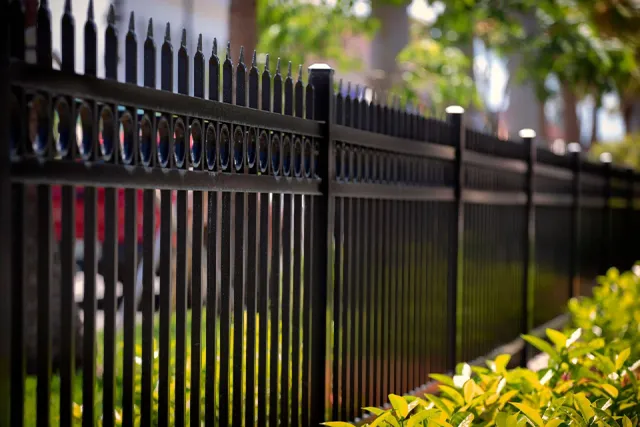
- Aluminum: Aluminum fencing offers a clean, open appearance, and it works well when you want some visibility.
- Chain link: Chain link provides a practical way to define property boundaries without creating a solid visual barrier.
Establishes Proper Footings
Fence posts provide the structural support for connected rails, boards, and gates. Their placement affects alignment, particularly when a fence crosses uneven ground or follows elevation changes. To improve stability, posts can be placed in a cement footing; this helps prevent leaning and keeps the post from sinking. Surrounding soil should also be firmly packed around each post to help maintain its position after installation. Professional handyman services make sure each post is properly aligned and secure so your fence remains upright and level.
Post spacing affects how individual fence sections connect across the property. Gates require additional planning; their posts support moving sections that receive repeated use. Uneven spacing may create visible inconsistencies along an otherwise straight fence line. A carefully planned layout keeps posts, panels, rails, and gates working together.


Fits Property Layouts
Property boundaries may not form straight lines, so fence installation requires attention to the yard’s shape. Slopes, landscaping, driveways, and existing structures affect where you install a fence. Working around these features may require changes to the fence line or how you position individual sections. Here are some configurations that help accommodate different property layouts:
- Full perimeter: Encloses the entire property or designated yard area with a continuous fence line.
- Partial enclosure: Fences only selected portions of the property where a boundary or separation is needed.
- Angled sections: Connect fence runs at different angles when the property is not a rectangular shape.
- Open transitions: Leaves designated areas unfenced to maintain connections between the yard and other parts of the property.
Protects Finished Fencing
Different fencing materials require different types of protection and maintenance after installation. Wood fencing needs a proper finish after installation, especially if it’s exposed to changing weather. Before applying stain, professional installers prepare the wood by removing dirt and other debris. This helps verify that the stain adheres properly, extending the time before reapplication. Stains alter the wood’s natural color, but they also seal a fence against water intrusion and rot. Vinyl and chain link fencing typically don’t require sealing or staining at install, which can speed up the project timeline.
Schedule Professional Fence Installation
Exterior planning lets you coordinate the new fence with gates, decks, and existing outdoor structures. Property boundaries and access points all influence how the finished fence connects with surrounding features. A professional assessment gives you a clearer picture of the materials and installation approach suited to the property. Contact a qualified fencing professional today to discuss your property and plan your fence installation.